
What you read in this article:
Istanbul, a city where East meets West, is a captivating tapestry woven with the threads of countless civilizations. While its skyline is dominated by magnificent mosques and minarets, a deeper look reveals a city with a profound Christian heritage. The story of Istanbul’s Historic Churches is one of resilience, transformation, and artistic brilliance.
These hallowed spaces, once the heart of the Byzantine Empire, continue to stand as silent witnesses to centuries of history, offering visitors a unique window into the city’s complex soul. From the grand imperial cathedrals to hidden neighborhood sanctuaries, these churches are more than just buildings; they are living testaments to faith and art.
The Top 10 Historic Churches in Istanbul
Istanbul is a city with a rich history, and its churches reflect this diverse past. From grand Byzantine cathedrals to more humble places of worship, the town offers a fascinating look at centuries of Christian heritage.
Many of the most famous historic churches have been converted into mosques or museums, but their historical and architectural significance remains. While Istanbul is home to many notable Christian sites, other cities in Turkey also have a rich heritage of churches, such as the Best Churches in Izmir, Turkey.
Here are some of the most notable historic churches in Istanbul:
1. Hagia Sophia: The Divine Wisdom
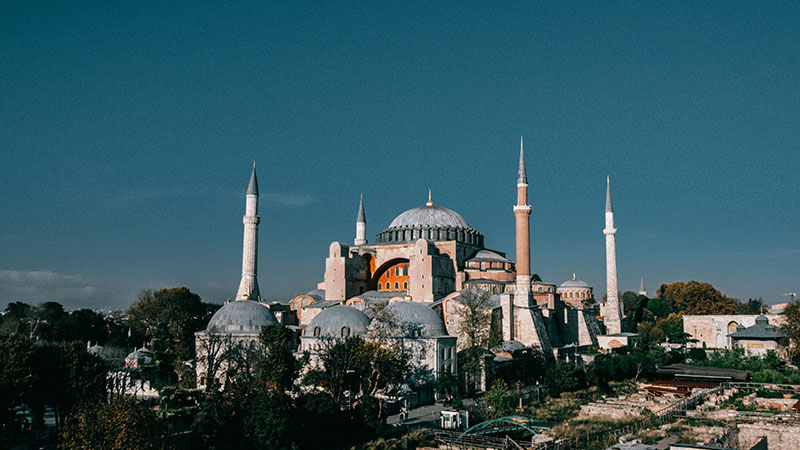
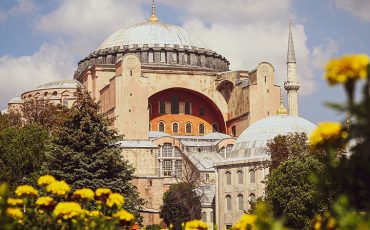
No list of Istanbul’s historic churches can begin without Hagia Sophia. Originally built as a cathedral in the 6th century by Emperor Justinian I, it was the largest Christian church for nearly a thousand years. Its colossal dome, an engineering marvel of its time, seems to float above the nave, creating an ethereal and divine space.
Inside, layers of history unfold, with stunning Christian mosaics depicting Christ, the Virgin Mary, and saints, coexisting with calligraphic roundels from its time as a mosque. The story of Hagia Sophia is the story of Istanbul itself, a continuous cycle of change and adaptation, representing the fusion of two great empires and faiths.
2. Chora Church (Kariye Museum): A Byzantine Jewel Box
Tucked away in the Edirnekapı district, the Chora Church, or Kariye, is an absolute masterpiece of Late Byzantine art. While its exterior is modest, its interior is an explosion of color and detail. The church is celebrated for its breathtaking mosaics and frescoes, which are considered some of the finest examples of Byzantine art in the world.
They narrate the lives of Jesus and the Virgin Mary with an emotional depth and vibrancy that feels almost modern. Visiting Chora is like stepping into a hidden jewel box, where every surface tells a sacred story, a powerful reminder of the artistic legacy of Istanbul’s Historic Churches.
3. Church of St. Savior in Chora (Kariye Camii)
This is the same site as the Chora Church (Kariye Museum), and its name change to a mosque in recent years adds another layer to its fascinating history.
It’s important to note this transition as it reflects the ongoing story of these historical sites. The art and architecture remain, but the function and name have evolved, making it a powerful symbol of Istanbul’s ever-changing identity.
4. St. George’s Cathedral (Ecumenical Patriarchate of Constantinople): The Spiritual Heart of Orthodoxy
In the Fener district, a place of cobblestone streets and colorful old houses, stands the spiritual center of the Greek Orthodox world. St. George’s Cathedral is the seat of the Ecumenical Patriarch of Constantinople, the “first among equals” in the Orthodox Church.
However, while less grand in scale than Hagia Sophia, its spiritual significance is immense. The cathedral holds sacred relics and a beautiful gilded iconostasis. It’s a place of quiet reverence and deep historical importance, a beacon for Orthodox Christians around the globe.
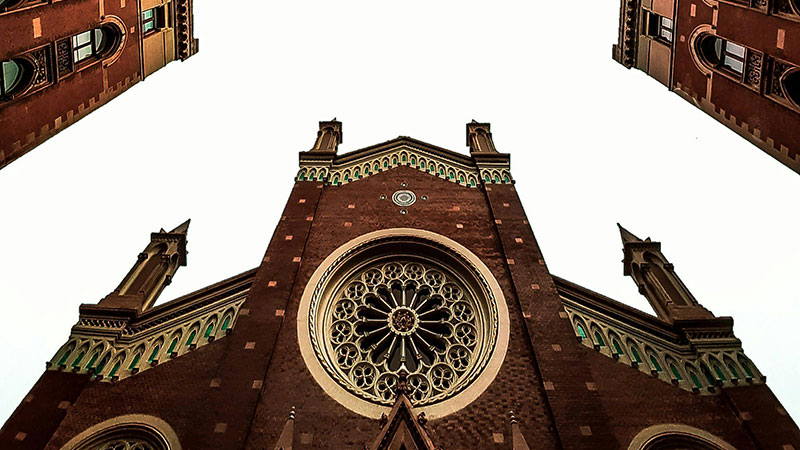
5. Church of St. Anthony of Padua: A Venetian Gothic Marvel
In the bustling heart of İstiklal Avenue, one of the city’s most vibrant streets, lies a serene surprise. The Church of St. Anthony of Padua is the largest Roman Catholic church in Istanbul. Its striking Venetian Neo-Gothic façade and two tall spires stand out against the backdrop of modern buildings.
Inside, the air is hushed and peaceful, with beautiful stained-glass windows and a stunning altar. Built by the local Italian community in the early 20th century, this church is a testament to the city’s diverse and multicultural past.
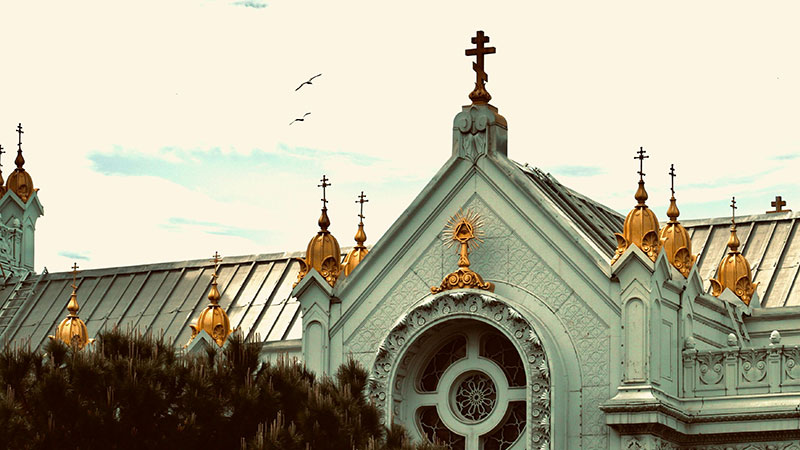
6. Bulgarian St. Stephen Church (The Iron Church): An Engineering Wonder
On the shores of the Golden Horn in the Balat district, the Bulgarian St. Stephen Church is a truly unique sight. Known as the “Iron Church,” it was entirely pre-fabricated in Vienna and shipped to Istanbul in pieces.
Its ornate, cast-iron structure is an exceptional example of Art Nouveau and Neo-Gothic architecture. The church was built to serve the Bulgarian minority community, and its striking appearance makes it one of the most remarkable of Istanbul’s Historic Churches. Its metallic splendor gleams brightly over the water, a fascinating blend of faith and industrial ingenuity.
7. The Church of Panagia of Blachernae: The Holy Spring
Located in the Fatih district, this is an Eastern Orthodox church with a long and storied history. It is particularly known for a holy spring, or “hagiasma,” said to have healing properties.
The original church was a major pilgrimage site in the Byzantine era, and while the current structure is a reconstruction, it still holds a deep spiritual significance. Pilgrims and visitors alike come to see the spring and feel the centuries of devotion that have marked this special place.
8. Hagia Irene: A Church Without a Dome
Within the walls of the Topkapi Palace courtyard stands Hagia Irene, a remarkable early Byzantine church. Christians first built it in the 4th century, and Justinian I later rebuilt it, making it one of the oldest churches in Istanbul.
What makes Hagia Irene unique is its simple, unadorned interior and the absence of a dome. Instead, it features a semi-dome with a large, cross-shaped mosaic. The lack of ornamentation gives it a powerful, austere beauty, and its incredible acoustics often make it a venue for classical music concerts.
9. The Church of Theotokos Mouchliotissa (Our Lady of the Mongols): A Church That Never Became a Mosque
This tiny, unassuming church in the Fener district has a very special claim to fame: it is the only Byzantine church in Istanbul to have remained in continuous Greek Orthodox use since the Ottoman conquest in 1453.
Sultan Mehmed II issued a special decree that spared it from conversion into a mosque, a fate that befell many other Byzantine churches in the city. To learn more about other important religious sites, check out some of the Best Mosques in Istanbul.
Known locally as the “Bloody Church,” due to a massacre that took place nearby, it stands as a unique monument to the city’s history and the remarkable story of Istanbul’s Historic Churches.
10. Hagia Triada Greek Orthodox Church: The Church of the Holy Trinity
Located near Taksim Square, the Hagia Triada is one of the largest and most beautiful Greek Orthodox churches in the city. Built in 1880, its Neo-Baroque and Neo-Byzantine architecture, with a soaring dome and two bell towers, is truly impressive.
The church serves as a vital center for the city’s Greek community, and its magnificent interior, adorned with frescoes and icons, is a testament to the thriving Greek culture that has long been a part of Istanbul’s mosaic.

Conclusion
Exploring the historic churches of Istanbul is a profound journey through time. From the colossal Hagia Sophia, a monument to a changing world, to the quiet grace of the Church of Theotokos Mouchliotissa, each of these sites tells a piece of a larger story.
They are not merely relics of the past but living spaces that continue to shape the cultural and religious landscape of this magnificent city. Moreover, whether you are an art historian, a spiritual seeker, or a curious traveler, these historic churches offer a powerful and moving experience, revealing the depth and diversity of Istanbul’s soul.
Therefore, on your next visit, take the time to step inside, feel the centuries of history, and witness the enduring legacy of Istanbul’s Historic Churches.
FAQ
Absolutely. Most historic churches are open to the public, and visitors from all backgrounds are welcome. It is important to dress respectfully, covering your shoulders and knees. Inside, maintain a quiet demeanor and be mindful of any services or ceremonies that may be taking place.
Most active churches in Istanbul, like St. Anthony of Padua or Hagia Triada, are free to enter. However, sites that are now museums, like the Chora Church, have an entrance fee. It’s best to check the latest information before your visit.
Most places allow photography without flash. However, some churches or specific areas prohibit it. Always be respectful and avoid taking photos of people praying or during religious services.



Comments