
What you read in this article:
Ankara, the capital of Turkey, is a vibrant city that perfectly blends history, culture, and modern life. Nestled in the heart of the country, it is home to ancient landmarks, bustling markets, and a dynamic arts scene. Visitors often ask, “What is Ankara Famous For?” From the iconic Anıtkabir mausoleum to historic districts like Hamamönü, the city offers a unique journey through Turkey’s past and present.
Beyond its historical significance, Ankara thrives as a political and cultural hub. With modern architecture, lively festivals, and a diverse culinary scene, it attracts travelers seeking both tradition and contemporary experiences. Exploring the city reveals why so many are curious about What is Ankara Famous For?, uncovering a destination that is as rich in culture as it is in history.
Historical Significance
Ankara’s roots stretch back thousands of years, making it a city rich in history.
- Ancient Civilizations: Ankara was home to the Hattians, Phrygians, and later the Romans. The Roman Temple of Augustus, built to honor Emperor Augustus, stands as a reminder of the city’s ancient past.
- Ankara Castle: This iconic fortress has watched over the city since Byzantine times. Visitors can enjoy panoramic views and feel the weight of history on the cobblestone streets.
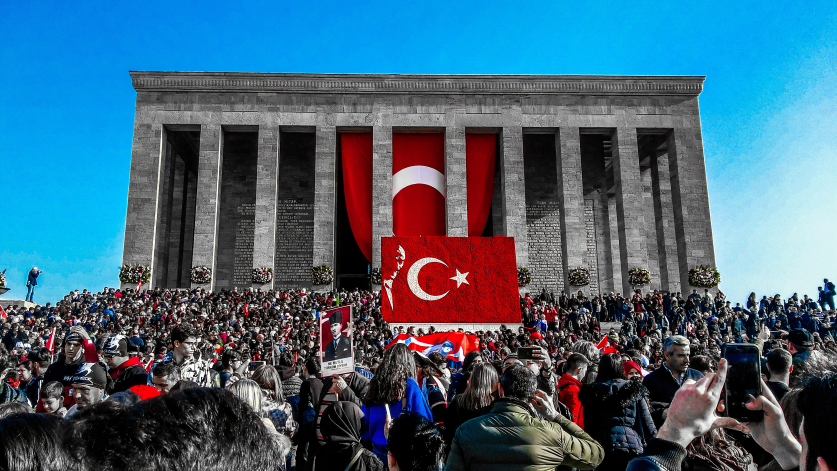
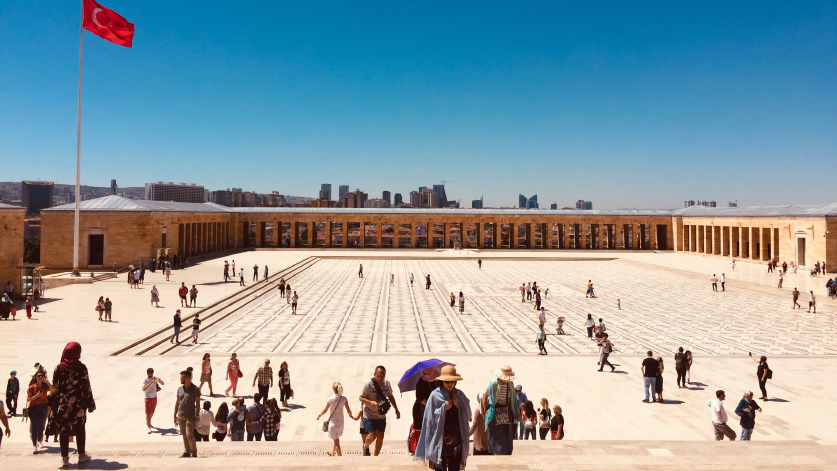
- Anıtkabir: The mausoleum of Mustafa Kemal Atatürk, the founder of modern Turkey, is not only an architectural marvel but also a symbol of the nation’s transformation.
Ankara attractions are deeply tied to its historical landmarks, making history lovers feel at home while exploring the city. Beyond its historical sites, Turkey offers a wide range of unique experiences and sights, such as the balloon festival.
Local Life and Character
Ankara is also about its people and daily life.
- Markets and Bazaars: Gençlik Park and Hamamönü Bazaar offer fresh produce, handicrafts, and lively local interactions.
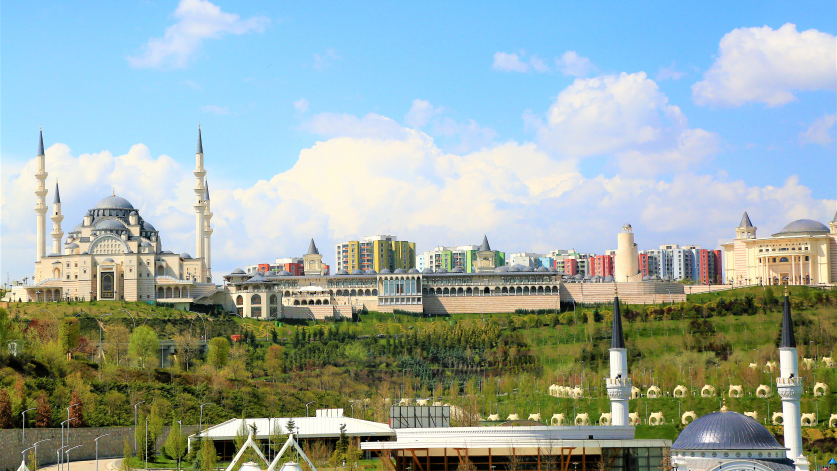
- Daily Customs: Tea gardens, cafés, and mosque visits, like at Kocatepe Mosque, provide a glimpse into local life.
- Diversity: Universities like METU bring a youthful energy, while diplomats and expatriates contribute to its cosmopolitan atmosphere.
Experiencing local life is essential for anyone looking to fully enjoy Ankara attractions.
Ankara: A Blend of History, Culture, and Modernity
Ankara, the capital of Turkey, is a city where ancient history meets contemporary life. From the Roman Temple of Augustus to the monumental Anıtkabir mausoleum, the city’s landmarks tell the story of civilizations past while its museums and cultural districts, like Hamamönü, preserve and celebrate Turkey’s rich heritage.
Visitors often wonder, “What is Ankara Famous For?”, and the answer lies in its unique mix of historical significance, vibrant arts, and traditional cuisine.
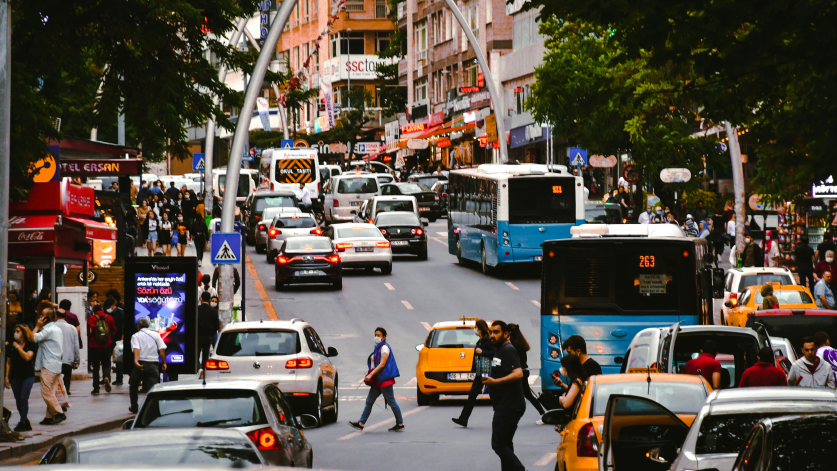
Beyond history, Ankara thrives as a modern metropolis and political center. Its contemporary architecture, bustling business districts, lively festivals, and diverse local life make it a dynamic city to explore.
Understanding what Ankara is Famous For goes beyond sightseeing; it’s about experiencing the city’s culture, politics, and the daily rhythm of its people, offering a truly unforgettable journey.
Conclusion
Ankara is a city where history, culture, politics, and modernity come together. From ancient ruins to vibrant markets, from majestic museums to contemporary art spaces, Ankara offers a rich and diverse experience.
Its significance as Turkey’s capital, combined with its cultural depth, makes it more than just a city; it is a destination worth exploring for travelers seeking both history and modern charm.
Whether you are a history enthusiast, a food lover, or someone curious about Turkish culture, Ankara attractions promise an unforgettable journey.
FAQ
Anıtkabir, the mausoleum of Mustafa Kemal Atatürk, is the most iconic historical site in the city.
The Museum of Anatolian Civilizations is a must-visit, showcasing artifacts from ancient civilizations.
Try Döner Kebab, Ankara Tava, and Ayva Tatlısı to taste the city’s culinary specialties.
No. Ankara is a vibrant mix of history, culture, and modern life, with attractions for tourists beyond politics.


Comments